The private-label supplement market is entering 2026 with stronger demand for traceability, clinical evidence, and flexible production. Grand View Research valued the global dietary supplements market at approximately $177.5 billion in 2023. It also projects a 9.1% compound annual growth rate through 2030. These figures explain why brands are searching for reliable manufacturing partners.
Private Label Supplement Manufacturing now involves more than mixing capsules or filling bottles. Leading suppliers may support formulation, ingredient sourcing, stability testing, packaging, and regulatory documentation. The FDA’s Current Good Manufacturing Practice requirements under 21 CFR Part 111 remain an essential benchmark in the United States. Certifications from NSF, USP, or Informed Choice can provide additional quality signals, depending on the product category and target market.
But rankings require caution. The “best” manufacturer depends on minimum order quantities, dosage-form expertise, testing standards, lead times, and export capability. A large facility is not automatically the right partner. Food and beverage industry reports from Nutrition Business Journal and CRN show continued consumer interest in vitamins, minerals, sports nutrition, and condition-specific products. Yet market growth does not remove manufacturing risks. Supplier audits, certificate verification, batch records, and independent laboratory results still matter. Some published rankings rely heavily on marketing claims. That is a weakness. This guide evaluates leading private-label supplement manufacturers using practical criteria, available certifications, production capabilities, transparency, and documented industry experience. Performance should be verified directly before signing a contract.
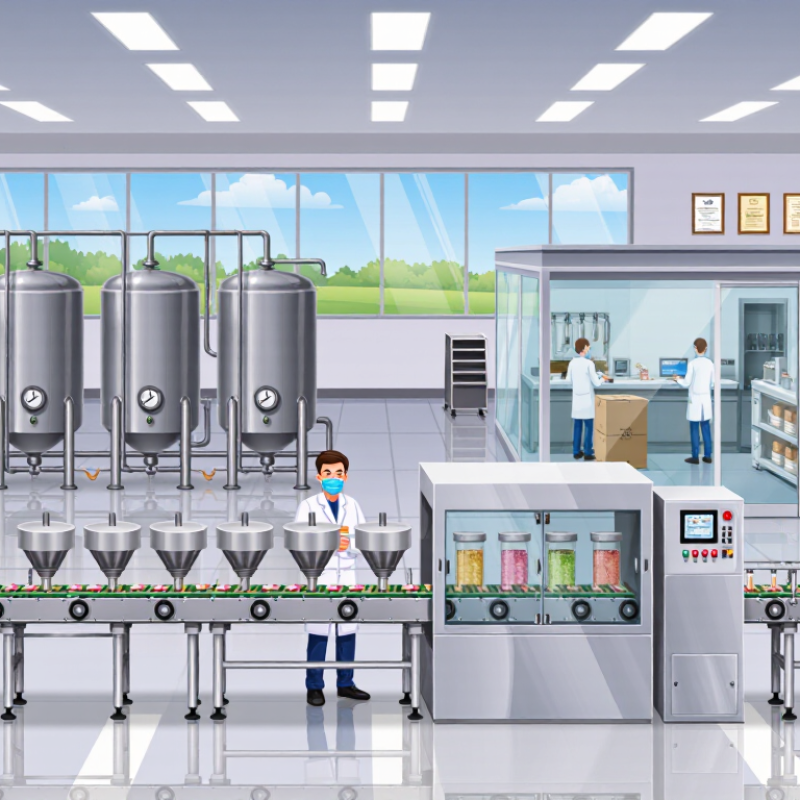
Private label supplement manufacturing in 2026 means more than placing a logo on a finished bottle. A manufacturer develops or adapts a formula, produces it under controlled conditions, and prepares packaging for another company’s market. Buyers may choose capsules, powders, gummies, or liquid formats. Each option brings different stability, dosage, and storage requirements.
Reliable production starts with evidence. A qualified facility should provide batch records, ingredient specifications, allergen controls, and certificates of analysis from appropriate testing. GMP-based systems remain important, but paperwork alone is not enough. Ask how raw materials are approved, how deviations are investigated, and how each batch is traced. A real factory should explain its process clearly. Vague answers deserve caution.
In 2026, strong manufacturers also support claims review, packaging compliance, stability planning, and transparent lead times. Digital tracking can show when ingredients enter production and when samples are released. Still, technology does not replace professional judgment. A polished sample may hide weak testing. I have seen attractive packaging create unrealistic expectations about delivery speed. Minimum order quantities, reformulation costs, and testing delays should be discussed before signing. Small details matter: a readable lot code, a sealed inner liner, and storage instructions that match the formula. Some projects will need revision. That is not failure; ignoring the warning signs is.
How to Evaluate Private Label Supplement Manufacturers
Demand is growing, but quality remains uneven. Grand View Research valued the global dietary supplements market at approximately $177.5 billion in 2023. Its report projects a 9.1% compound annual growth rate through 2030. That expansion makes supplier selection more important, not easier. Start with documented experience in your product category. Ask for current GMP certificates, recent audit findings, product specifications, and batch-level certificates of analysis. A polished sales presentation is not evidence.
Traceability should be practical. Can the manufacturer identify each raw material lot, testing date, and packaging record? Check identity, purity, microbiological, heavy-metal, and stability testing. Review allergen controls and recall procedures. Request samples from normal production, not specially prepared samples. The Council for Responsible Nutrition reported that 74% of U.S. adults used dietary supplements in 2023. Consumers therefore expect consistency, clear labeling, and credible claims. Yet testing alone cannot fix weak communication or unrealistic lead times.
Tips: Compare three written quotations. Check minimum order quantities, re-test policies, storage conditions, insurance, and change-notification procedures. Speak with a quality manager, not only a salesperson. Visit the facility when possible. A remote audit helps, but it has limits. I would also test a small launch batch before committing to large inventory. It may slow growth. That is sometimes the safer decision. Ask who owns the formula, data, and packaging files. Small details often become expensive problems.
Top Private Label Supplement Manufacturers in 2026
Top private label supplement manufacturers in 2026 will compete through quality, transparency, and dependable production. The best partners should provide clear certificates, batch records, and third-party testing results. Their facilities should follow recognized manufacturing standards and maintain strict ingredient traceability. During supplier evaluations, request a sample batch, not only a polished sales presentation. Check powder texture, capsule consistency, seal quality, and label accuracy. Small details often reveal larger process weaknesses.
A reliable manufacturer should also explain minimum order quantities, production timelines, storage conditions, and replacement procedures. Ask how they handle allergen controls and formula changes. Their regulatory team should review claims before printing, especially for products sold across different markets. Strong communication matters. Delayed answers can become delayed launches. Still, no supplier is perfect, and a low defect rate does not eliminate the need for independent verification.
Tips: Compare at least three qualified manufacturers. Request recent certificates of analysis and stability data. Confirm testing methods with an experienced quality professional. Visit the facility when practical. Keep written specifications for every ingredient, color, flavor, and package component. Avoid choosing only by price; inexpensive production may create costly quality problems later. A cautious review may feel slow, but it protects consumer trust and supports a more reliable private label supplement launch.
Consumer demand is an important market context when evaluating private-label supplement manufacturing opportunities. In the United States, dietary supplement use was reported by 63.8% of adult women and 52.8% of adult men during 2017–March 2020.
Source: U.S. National Center for Health Statistics, National Health and Nutrition Examination Survey, 2017–March 2020.
Top Private Label Supplement Manufacturers in 2026?
Key Services, Certifications, and Product Capabilities
Choosing a private label supplement manufacturer requires more than comparing prices. Experienced buyers review formulation support, ingredient sourcing, production controls, and documentation. Strong partners can develop capsules, tablets, powders, gummies, liquids, and customized blends. They should also provide pilot batches before full-scale production. Small test runs reveal problems with flavor, texture, filling weight, or packaging.
Reliable facilities commonly operate under current Good Manufacturing Practices and maintain documented quality systems. Certifications such as NSF/ANSI 455, ISO 22000, or relevant organic standards may strengthen credibility. However, certificates need verification. Check their scope, expiration date, issuing body, and covered facility. A facility registration is not the same as product certification. That distinction is often overlooked.
Testing capabilities matter just as much. Manufacturers should support identity, potency, microbiological, heavy metal, allergen, and stability testing when appropriate. Ask for batch records, certificates of analysis, sample retention policies, and full traceability from raw material to finished product. Some suppliers offer packaging design, label review, fulfillment, and inventory planning. Useful service, but not every provider manages these steps equally well. Visit the facility when possible. Speak with technical staff, not only sales representatives. No supplier is flawless. A polished website can still hide weak communication, slow corrective actions, or inconsistent lead times. Performance history deserves careful questioning.
| Manufacturer Profile | Primary Production Model | Core Product Capabilities | Key Services | Relevant Certifications and Standards | Best Fit |
|---|---|---|---|---|---|
| Large-Scale Full-Service Manufacturer | High-volume contract manufacturing with dedicated production, packaging, quality, and logistics functions. | Tablets Hard capsules Powders Softgels Gummies | Formulation support, raw-material sourcing, pilot batches, blending, production, packaging, stability coordination, and fulfillment. | FDA dietary supplement cGMP requirements under 21 CFR Part 111; HACCP-based food-safety programs; possible NSF/ANSI 455-2 or equivalent third-party GMP certification. | Established brands requiring scalable production and multiple dosage forms. |
| Science and Formulation-Focused Manufacturer | Research-led production model with in-house or partner formulation, analytical, and regulatory expertise. | Clinical-style formulas Standardized extracts Complex blends Specialty capsules | Ingredient evaluation, dosage-form development, prototype testing, technical documentation, label review, and quality-by-design support. | FDA cGMP compliance; documented identity, purity, strength, composition, and contaminant testing; ISO 17025 may apply to qualified testing laboratories. | Brands developing differentiated, condition-specific, or evidence-oriented products. |
| Organic and Clean-Label Specialist | Production focused on certified organic, non-GMO, allergen-aware, and minimally processed product programs. | Organic capsules Powder blends Herbal products Clean-label gummies | Organic ingredient sourcing, supplier documentation, allergen controls, clean-label formulation, packaging material review, and certification coordination. | USDA National Organic Program requirements when using the “organic” claim; HACCP or preventive-controls programs; non-GMO claims require appropriate verification and documentation. | Natural, organic, wellness, and specialty retail brands. |
| Gummy and Functional-Confectionery Specialist | Production model optimized for pectin or gelatin gummy systems and flavor-forward consumer products. | Pectin gummies Gelatin gummies Chewables Flavored tablets | Texture development, flavor masking, color selection, mold and format development, serving-size optimization, and packaging support. | FDA cGMP requirements under 21 CFR Part 111; food-safety controls for moisture, water activity, microbial risk, and allergen management. | Consumer-focused brands targeting convenience, taste, and family or lifestyle segments. |
| Sports Nutrition Manufacturer | Production model designed for performance, hydration, recovery, and active-lifestyle formulations. | Protein powders Electrolytes Pre-workout blends Recovery formulas | Flavor development, instantized powder processing, scoop-and-fill packaging, lot testing, banned-substance risk review, and sports-label support. | FDA cGMP compliance; HACCP or preventive-controls documentation; NSF Certified for Sport or Informed Sport may be relevant where independently verified sports-product testing is required. | Fitness, athletic performance, gym, and active-lifestyle brands. |
| Liquid and Ready-to-Consume Specialist | Manufacturing model equipped for liquid blending, filling, microbial control, and finished-product packaging. | Liquid shots Syrups Drink concentrates Ready-to-drink products | Liquid formulation, pH and water-activity control, thermal or validated microbial processes where applicable, filling, shelf-life studies, and packaging compatibility review. | FDA cGMP requirements; documented sanitation and environmental controls; HACCP or preventive-controls plans appropriate to the product and process. | Brands seeking convenient, fast-acting, or beverage-adjacent supplement formats. |
| Flexible Small-Batch and Emerging-Brand Partner | Lower minimum-order production with a focus on launch support, shorter runs, and packaging flexibility. | Capsules Powders Tablets Simple gummies | Stock or semi-custom formulas, small-batch production, label and packaging coordination, sample development, and reorder support. | FDA cGMP compliance should be verified through current documentation, audit records, and quality agreements; HACCP-based controls may also be applicable. | Startups, ecommerce sellers, pilot launches, and brands validating market demand. |
| Export and Multi-Market Compliance Manufacturer | Manufacturing and documentation model designed to support domestic and international distribution requirements. | Capsules Tablets Powders Softgels Liquids | Regulatory document packages, certificates of analysis, export documentation, multilingual labeling coordination, batch traceability, and logistics support. | FDA cGMP requirements for U.S. dietary supplements; ISO 22000 or FSSC 22000 may support broader food-safety systems; destination-market requirements must be assessed separately. | Brands distributing through multiple countries or regulated retail channels. |
Top Private Label Supplement Manufacturers in 2026: How to Choose the Right Manufacturing Partner
The right manufacturing partner offers more than attractive pricing and modern packaging. Grand View Research estimates that the global dietary supplements market reached USD 177.5 billion in 2023, with continued growth through 2030. That growth attracts inexperienced suppliers. A polished website is not evidence. Request recent audit reports, facility details, and documented experience with your dosage form.
Ask how the manufacturer controls raw materials, production, and release testing. Every batch should have a traceable certificate of analysis, including identity, potency, microbial limits, and heavy-metal results. Confirm compliance with FDA current Good Manufacturing Practices under 21 CFR Part 111. Independent certifications, such as ISO 22000 or NSF-related programs, can strengthen confidence, but they still require verification. Check the certificate number, scope, and expiration date.
Capacity also matters. Industry research from Innova Market Insights shows strong consumer interest in science-backed health products and transparent claims. Your partner should therefore provide stability data, approved label wording, and realistic lead times. Ask what happens when a test fails. The answer should include investigation, quarantine, and corrective action. Not every supplier will meet every need. That is normal. I would rather choose a smaller facility with clear records than a large one avoiding difficult questions. Samples, pilot batches, and a written quality agreement can reveal problems before thousands of units reach a warehouse.
Review certificates, batch records, testing results, traceability, and production standards. Request a sample batch. Inspect texture, capsule consistency, seals, and label accuracy. Small details can expose larger process weaknesses.
Capable facilities may produce capsules, tablets, powders, gummies, liquids, and customized blends. Ask for a pilot batch first. It can reveal problems with flavor, texture, filling weight, or packaging.
Check current manufacturing standards, food safety certifications, organic documentation, audit reports, and facility details. Verify each certificate’s scope, expiration date, issuing body, and covered location. A registration is not product certification.
Ask for identity, potency, microbiological, heavy-metal, allergen, and stability testing when appropriate. Each finished batch should have a traceable certificate of analysis. Independent review is still wise.
Request records linking raw materials to production batches and finished products. Review ingredient specifications, colors, flavors, packaging components, and storage conditions. Keep everything in writing.
Compare at least three qualified manufacturers. Review minimum order quantities, lead times, storage fees, replacements, and packaging costs. The cheapest quote may create expensive quality problems later.
The manufacturer should quarantine the batch, investigate the cause, and document corrective action. Ask for the exact procedure before signing an agreement. Vague answers concern me.
Strong communication supports realistic launches and faster problem solving. Visit the facility when practical. Speak with technical staff, not only sales representatives. A polished website proves very little.
Define specifications, testing methods, approval steps, change controls, defect handling, storage, and replacement procedures. Include label review and claim checks for each target market. No supplier is flawless. Independent verification remains necessary.
Private Label Supplement Manufacturing in 2026 is becoming more strategic, flexible, and quality-focused. Rather than simply placing a logo on an existing product, businesses can work with specialized manufacturers to develop formulas, select ingredients, design packaging, and prepare products for compliant market entry. This overview explains how the process works and what to consider when comparing potential manufacturing partners, including production capacity, quality control systems, testing procedures, certifications, minimum order quantities, lead times, and communication standards.
The leading manufacturers in 2026 are expected to offer broad product capabilities, reliable sourcing, transparent documentation, and support from product concept through fulfillment. When choosing the right partner, businesses should evaluate formulation expertise, facility standards, scalability, pricing clarity, and the manufacturer’s ability to meet applicable regulatory and labeling requirements. A careful assessment can help ensure consistent quality, efficient production, and a smoother path from product idea to successful launch.