0%

Sourcing Private Label Creatine Brainberry Powder requires more than finding a colorful pouch and a low quotation. Buyers must verify the ingredient identity, creatine form, berry flavor system, manufacturing controls, and documentation behind every batch. A reliable supplier should provide a current certificate of analysis, heavy-metal results, microbial testing, allergen information, and clear dosage specifications. The powder should also be tested for moisture, texture, and flavor stability. Small details matter. A clumpy scoop can damage customer trust quickly.

Jose Antonio, PhD, a leading sports-nutrition researcher and International Society of Sports Nutrition representative, has described creatine as “one of the most effective nutritional supplements available to athletes.” His statement reflects extensive research, but it does not replace product verification. Creatine quality still depends on sourcing, processing, storage, and accurate labeling. Brainberry ingredients should be defined clearly, especially if the name refers to a berry blend, flavor, or branded formulation.

This guide explains how to compare manufacturers, audit their production capabilities, and assess Private Label Creatine Brainberry Powder before placing a commercial order. Look for GMP-certified facilities, batch traceability, transparent testing, and responsive technical support. Ask difficult questions. Some suppliers may provide impressive samples but weak documentation. That inconsistency deserves attention. Packaging, serving instructions, permitted claims, and market-specific requirements must also be reviewed before launch. No single supplier is perfect, and even experienced buyers can overlook a small compliance detail. A careful, evidence-based process reduces avoidable risks and supports a product customers can use with confidence.
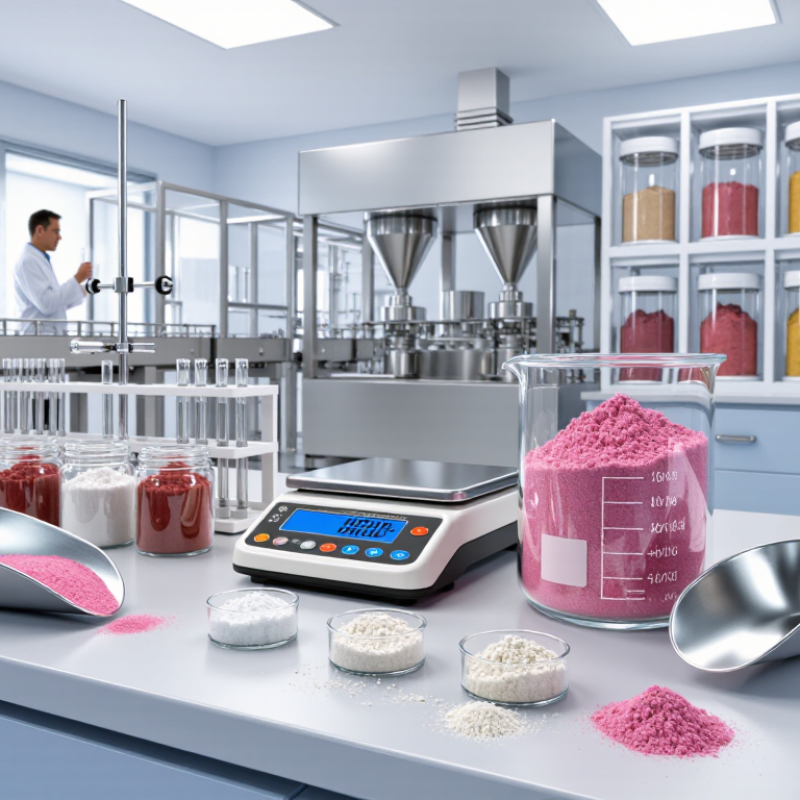
How to Source Private Label Creatine Brainberry Powder?

Define Private Label Creatine Brainberry Powder and Its Market Use

Private label creatine Brainberry powder is a creatine supplement made by a contract manufacturer and sold under a retailer’s name. “Brainberry” usually describes a berry-inspired flavor or product concept, not a recognized creatine type. The active ingredient should be clearly identified, preferably as creatine monohydrate. The International Society of Sports Nutrition’s 2022 position stand identifies creatine monohydrate as the most researched form. It also commonly describes a 3–5 gram daily maintenance range for healthy adults.

Market use is practical and increasingly digital. Retailers can offer single-serve sachets, tubs, or subscription packs for gym users, recreational athletes, and active adults. Grand View Research valued the global sports nutrition market at about USD 35.8 billion in 2022. It projects a 7.4% compound annual growth rate from 2023 to 2030. That growth supports demand for convenient, flavored powders, but it does not guarantee product quality.

Sourcing requires more than an attractive berry taste. Request identity testing, assay results, microbial screening, heavy-metal results, and stability data for every production lot. A certificate of analysis should match the finished product, not only the raw material. Check serving size, allergen statements, usage directions, and local labeling rules. Third-party verification can strengthen consumer trust. Still, flavor preferences change quickly. I would test small batches first, because a vivid color may look impressive but perform poorly in storage.

Identify Product Specifications, Formula Requirements, and Target Customers

How to Source Private Label Creatine Brainberry Powder?

Private label sourcing begins with a precise product brief. Define whether “Brainberry” means creatine with berry flavor, berry extracts, or a cognitive-focused formula. This distinction changes testing, labeling, and customer expectations. The International Society of Sports Nutrition supports creatine monohydrate as a well-researched option, commonly used at 3–5 grams daily. Avoid promising sharper thinking or guaranteed performance. Such claims require strong evidence and careful regulatory review.

Target customers may include strength athletes, gym beginners, and wellness consumers seeking convenient daily powders. The 2024 Council for Responsible Nutrition Consumer Survey reported supplement use among 75% of U.S. adults. That broad market still expects transparency. Request a certificate of analysis, identity testing, microbial results, heavy-metal screening, and moisture specifications. Specify serving size, berry flavor intensity, sweetener choice, allergen controls, scoop accuracy, and packaging protection. A vivid color is not proof of quality.

Tips: Ask the manufacturer for pilot samples and stability data. Compare dissolution after ten minutes in cold water. Check whether the berry component has a defined extract ratio and documented testing. Grand View Research has projected strong growth for the global creatine market, but demand alone should not dictate the formula. A first specification may look complete, yet miss solubility or aftertaste. Recheck every assumption with target-customer interviews and independent laboratory results.

Evaluate Qualified Manufacturers and Verify Their Production Standards

Sourcing private label creatine Brainberry powder starts with the manufacturer, not the packaging mockup. Ask for documented experience with creatine blends and botanical or berry-based ingredients. Request current GMP certification, manufacturing licenses, product specifications, and recent third-party laboratory reports. The facility should identify each raw material by supplier, lot number, and country of origin. Shortcuts fail.

Evaluate the production floor through a live or recorded audit, then confirm critical details in writing. Check weighing controls, allergen separation, dust management, sanitation records, and equipment calibration. Testing should cover creatine identity and assay, microbiological limits, heavy metals, pesticides when relevant, and moisture. A clear certificate of analysis should match the shipped batch, not a generic template. Ask how deviations, complaints, and recalls are investigated. Vague answers deserve caution.

Request a pilot batch before signing a large order. Inspect powder flow, color consistency, aroma, solubility, and packaging seals under ordinary warehouse conditions. Stability data should support the proposed shelf life, including protection from heat and humidity. Verify label text with a qualified regulatory reviewer for each intended market. One overlooked detail can create rework. I would also compare retain samples against the finished batch, although this step is sometimes skipped when budgets tighten. Reliable suppliers provide traceability quickly and admit limitations rather than promising perfect results.

Review Samples, Testing Results, Packaging Options, and Label Compliance

A reliable private label creatine brainberry powder project begins with physical samples, not attractive supplier photos. Request several production samples from the same proposed formula. Check color, aroma, texture, solubility, and fill weight. Record every observation.

Testing must go beyond a basic certificate of analysis. Ask for creatine identity and assay results, plus microbial, heavy metal, moisture, and allergen testing. Verify the laboratory’s qualifications and match each report to the sample’s batch number. A neat certificate is not enough. Testing gaps can remain. Independent confirmation is often worth the extra cost, especially when the powder contains botanical or fruit-based ingredients.

Packaging should protect quality during transport and storage. High-barrier pouches, lined tubs, and induction-sealed containers are practical options. Confirm closure strength, tamper evidence, scoop fit, and label readability on a real filled unit. The label should state ingredients, net quantity, directions, warnings, lot code, expiry date, and responsible business details. Review every claim for the destination market. Avoid unsupported performance or medical language. Requirements differ by country, and a label accepted in one market may fail in another.

Tips: Keep a signed sample specification. Photograph the packed unit. Request retained samples from every batch. Recheck the final artwork after filling, because small changes can create compliance problems.屿

Finalize Pricing, Contracts, Order Quantities, and Supply Arrangements

When sourcing private label creatine Brainberry powder, pricing must reflect more than the ingredient cost. Request a detailed quotation showing raw materials, blending, testing, packaging, labels, and freight separately. Compare prices at several order quantities, such as 500, 2,000, and 5,000 units. A lower unit price may hide higher storage costs or stricter payment terms. Confirm whether the quotation remains valid for 30, 60, or 90 days.

Put every important detail into the supply contract. Specify the creatine form, Brainberry ingredient level, serving size, flavor, package weight, and acceptable quality limits. Require batch testing and a certificate of analysis for each shipment. The contract should also define production lead time, sample approval, rejected goods, confidentiality, intellectual property, and recall responsibilities. Clarify delivery terms and currency.

Keep the first order realistic. A small pilot order can test taste, mixing performance, packaging accuracy, and customer response before scaling. However, very small quantities may create higher setup fees. Discuss a rolling forecast, reserved production capacity, and safety stock for seasonal demand. Set reorder points using actual sales data, not optimism. My first forecast was too confident. That mistake could have tied up cash and crowded the warehouse. Ask how suppliers handle delayed materials, formula changes, and unexpected testing failures. Written procedures matter when production does not go as planned.

FAQS

What should a product brief define before sourcing private label creatine powder?

Define the berry meaning, formula type, serving size, flavor strength, sweetener, allergens, and packaging needs. Ambiguity creates problems.

How much creatine is commonly used daily?

Creatine monohydrate is commonly used at 3–5 grams daily. Final directions require qualified review and market-specific compliance.

Who might buy a berry-flavored creatine powder?

Potential customers include strength athletes, gym beginners, and wellness consumers wanting a convenient daily powder.

What laboratory documents should a supplier provide?

Request a batch-specific certificate of analysis, identity testing, assay results, microbial testing, heavy-metal screening, and moisture results.

How can berry ingredients be verified?

Check the extract ratio, supplier details, lot number, country of origin, and supporting laboratory documentation. Color proves little.

What should be checked during a production audit?

Review weighing controls, allergen separation, dust management, sanitation records, equipment calibration, and raw-material traceability.

Why is a pilot batch important?

It reveals powder flow, color changes, aroma, solubility, and seal quality before a larger order. Small tests prevent expensive surprises.

How should solubility be tested?

Mix a sample in cold water and inspect it after ten minutes. Record clumps, sediment, foam, and aftertaste.

What stability information should a manufacturer provide?

Stability data should support the proposed shelf life under heat and humidity conditions. Packaging must protect the powder from moisture.

How should product claims and labels be reviewed?

Avoid guaranteed performance or sharper-thinking claims without strong evidence. Have qualified reviewers check labels for each target market.

What warning signs suggest a supplier needs closer review?

Generic certificates, vague answers, missing traceability, and promises of perfect results deserve caution. Honest limitations matter.

What should happen after the finished batch arrives?

Compare retain samples with the shipped batch, inspect seals, and arrange independent testing. This step is often skipped when budgets tighten.

Conclusion

Sourcing Private Label Creatine Brainberry Powder requires a clear understanding of the product’s purpose, market positioning, and customer expectations. This supplement combines creatine with a brain-focused ingredient concept, so buyers should define the intended benefits, audience, serving size, flavor profile, ingredient standards, and formula requirements before contacting manufacturers. Clear specifications help ensure the finished product matches the needs of athletes, active consumers, or wellness-focused customers.

The sourcing process should include evaluating manufacturers for experience, quality systems, production capacity, and reliable documentation. Request samples and review laboratory testing results for identity, purity, safety, and consistency. Packaging should protect the powder, present required product information, and support compliant labeling in the target market. Before production begins, finalize pricing, minimum order quantities, lead times, payment terms, quality responsibilities, and supply arrangements in a written contract. Careful planning and verification can help create a consistent, market-ready product while supporting dependable long-term supply.


Ethan Caldwell

Ethan Caldwell

Ethan Caldwell is a seasoned marketing professional dedicated to helping businesses understand complex products and make confident, informed decisions. With a strong background in strategic communication, market research, and customer-focused content development, Ethan brings clarity, accuracy, and......